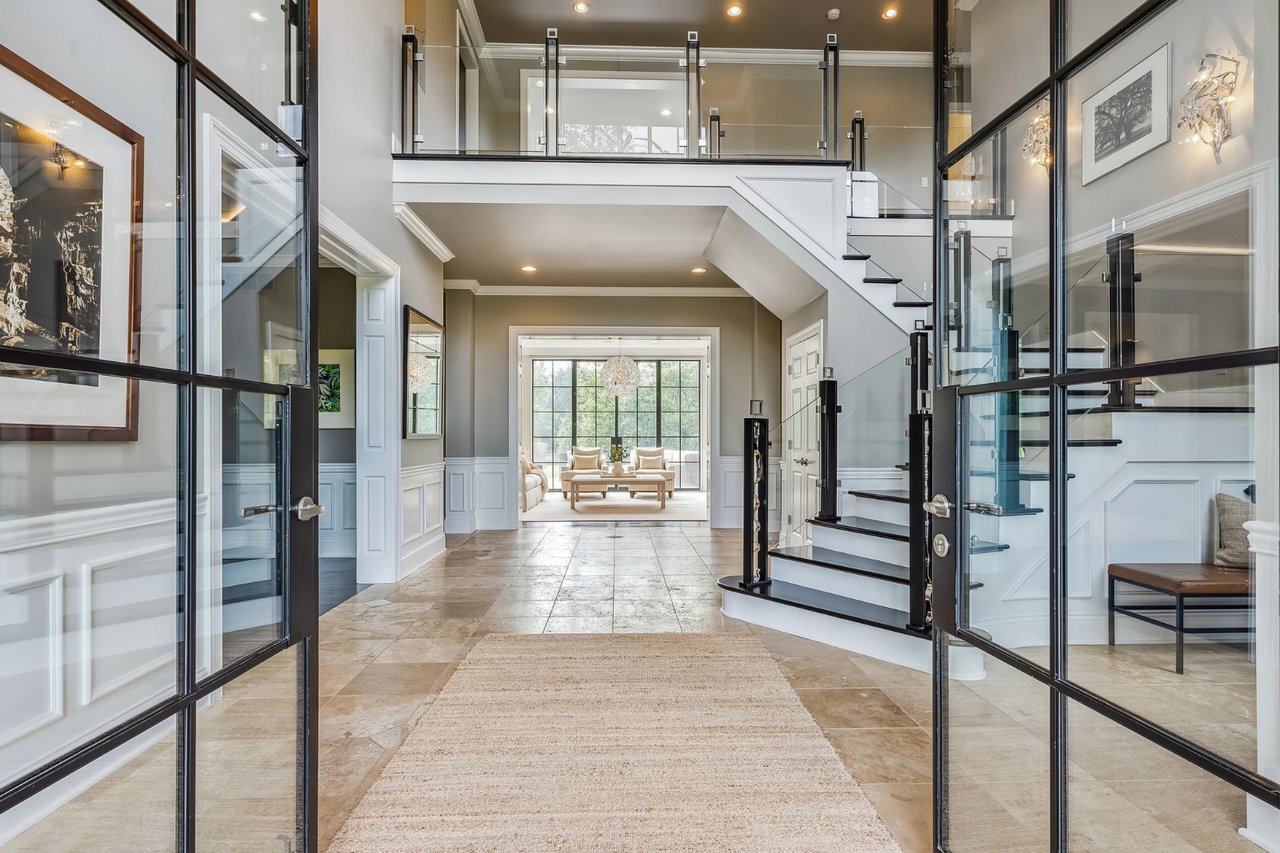
If you’re thinking about selling your home, it’s natural to wonder whether you should make improvements before putting it on the market. The right updates can help a home feel more polished, photograph beautifully, and make a stronger first impression. But that doesn’t mean every renovation will pay for itself when you sell.
In fact, some of the best home improvements for resale value are relatively straightforward. Rather than undertaking a major renovation simply to increase your sale price, it can be more effective to focus on the details buyers notice immediately: condition, curb appeal, thoughtful maintenance and spaces that feel comfortable and ready to enjoy.
The key is knowing where an investment is likely to make a difference and where it may be better to leave the decision to the next owner.
Which Home Improvements Add the Most Value Before Selling?
Nationally, smaller and more targeted projects continue to perform well when resale is the goal. The National Association of REALTORS® (NAR) 2025 Remodeling Impact Report found that a new steel front door had an estimated 100% cost recovery, followed by projects including closet renovations, fiberglass front doors and replacement windows. REALTORS® were also most likely to recommend painting the entire home, painting individual rooms and replacing the roof before selling.
Here in Central Ohio, exterior improvements can be especially compelling. The 2025 Cost vs. Value Report for Columbus found strong returns for projects such as garage door replacement, steel entry door replacement and manufactured stone veneer. Wood and composite deck additions also retained a significant portion of their cost at resale.
The takeaway isn't that every seller should replace a garage door or build a deck. It's that visible, well-executed improvements that enhance a home's condition and first impression can often have more impact than an elaborate renovation.
Start With the Exterior
Long before buyers notice countertops or bathroom tile, they're forming an impression from the exterior of the home. A freshly painted or replaced front door, updated exterior lighting, well-maintained landscaping and repaired walkways can all help create a sense that the property has been thoughtfully cared for.
Larger projects may make sense when an existing feature is noticeably dated or deteriorated. A worn garage door, aging roof or deck in need of significant repair can become part of a buyer's mental list of future expenses. Addressing those issues before listing may improve both the presentation of the property and a buyer's confidence in it.
Outdoor living space also remains desirable, particularly when it feels connected to the way people actually live. A comfortable patio, deck or landscaped gathering area can help buyers envision dinners outside, quiet mornings or weekends spent entertaining at home.
A pool is more property-specific. Rather than assuming it will either add or subtract value, consider the neighborhood, lot, condition of the pool and likely buyer for the home. In some settings, it can be an appealing lifestyle feature; in others, buyers may weigh the maintenance and operating costs more heavily.
Prioritize Condition Before Cosmetic Transformation
Some of the most valuable work you can do before selling isn't particularly dramatic.
A home that feels well maintained can be reassuring for buyers, especially when major systems and exterior components are in good condition. Roofing, windows, doors, insulation and HVAC improvements may not create the same visual reveal as a new kitchen, but they can affect comfort, operating costs and the overall perception of the property.
Energy efficiency is becoming increasingly relevant as buyers consider the ongoing cost of homeownership. According to NAR's 2025 Residential Sustainability Report, windows, doors and siding ranked among the most important green home features for clients. Utility costs and practical energy savings are also increasingly part of the conversation.
That doesn't necessarily mean replacing perfectly functional windows or mechanical systems just before selling. Instead, it means considering the home's condition as a whole. Deferred maintenance can become much more noticeable once buyers begin touring, reviewing disclosures and completing inspections.
Be Thoughtful About Kitchen and Bathroom Renovations
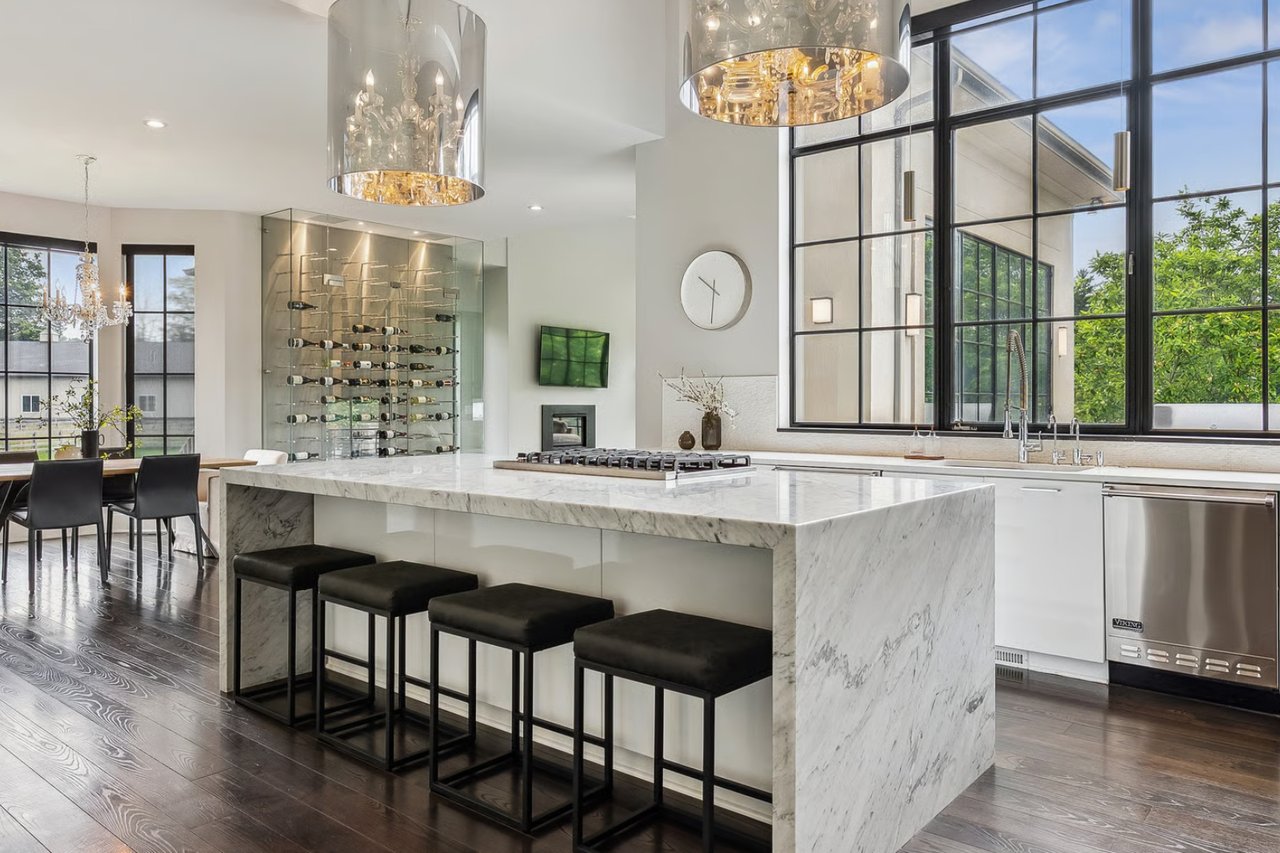
Kitchens and bathrooms matter enormously to how a home feels, but they're also places where sellers can easily over-improve. The fact is that a complete kitchen renovation may not be necessary. The NAR Remodeling Impact Report estimated cost recovery of 60% for both complete kitchen renovations and minor kitchen upgrades nationally. That doesn't mean kitchen improvements aren't worthwhile; it means sellers should consider carefully how much they invest when resale is the primary objective.
Often, the opportunity is in editing rather than reinventing.
Fresh paint, updated lighting, refinished or refreshed cabinetry, new hardware, a backsplash or replacing a noticeably dated fixture can give a room a more current feel without committing to a renovation that reflects your personal taste more than the future buyer's.
The same principle applies to bathrooms. Clean grout, updated fixtures, fresh paint, good lighting and simple cosmetic improvements can go a long way when the underlying space already functions well.
For a distinctive or architecturally significant home, restraint can be particularly important. Removing original character in pursuit of what's currently trending may actually diminish part of what makes the property special.
Think Beyond Smart Home Technology
Smart thermostats, locks, leak sensors, security systems and other connected features can certainly make a home more convenient. But technology alone shouldn't drive a pre-sale renovation strategy.
Current buyer research suggests that practical benefits matter more. Energy costs, durable materials, functional layouts, and easy-to-use technology can all contribute to a home's appeal. In 2026, the most compelling smart-home features tend to be the ones that quietly improve everyday life—helping manage energy use, security, comfort or property protection—rather than technology added simply for novelty.
The best upgrades should feel intuitive and integrated into the home, not like another system a buyer has to learn or maintain.
What Should You Renovate Before Selling a Home?
There isn't one renovation formula that works for every Columbus home.
A historic property in German Village may call for a very different approach than a newer home in Dublin, a condominium Downtown or a property in Upper Arlington. Architecture, price point, neighborhood expectations and the likely buyer all influence which improvements are worth making.
That's why one of the most valuable conversations can happen before the renovation begins.
An experienced real estate professional can help you look at your home through a buyer's eyes and determine which projects are likely to strengthen its market position, which improvements may be unnecessary and where your budget can have the greatest impact.
Frequently Asked Questions About Home Improvements and Resale Value
What home improvement has the best ROI?
There isn't a single project that delivers the highest return for every property. Recent Columbus Cost vs. Value data has shown particularly strong performance from exterior improvements such as garage doors and entry doors. The actual return depends on the home's condition, neighborhood, price point, and quality of the work.
Should I renovate my kitchen before selling?
Not necessarily. If the kitchen is functional and in good condition, strategic cosmetic updates may be enough. A full renovation is more likely to make sense when the existing kitchen significantly affects the home's overall marketability or is notably below the standard buyers expect for the neighborhood and price range.
Is it worth replacing windows before selling?
Replacement windows can improve appearance, comfort and energy efficiency, but replacing functional windows solely for resale may not always make financial sense. Condition should be the deciding factor. NAR research indicates that windows, doors and siding are among the energy-related features buyers value most.
Should I replace my roof before listing my home?
If the roof is near the end of its useful life or has known problems, replacement may remove an important concern for prospective buyers. NAR's 2025 Remodeling Impact Report found that new roofing was one of the projects REALTORS® most frequently recommended sellers undertake before listing.
Do smart-home upgrades increase home value?
They can enhance convenience and buyer appeal, particularly when they offer practical benefits such as energy management, security, or leak detection. However, smart technology generally shouldn't be viewed as a guaranteed way to increase resale value. Condition, location, layout and overall presentation remain much more fundamental.
Make the Right Improvements Before You List
Preparing a home for the market is less about chasing the latest renovation trend and more about understanding what makes your home compelling.
At Vutech | Ruff, we know that every home has its own story, character and place within the Columbus market. Our team can help you identify the improvements worth making—and the ones you can confidently skip—so that when it's time to sell, your home is positioned thoughtfully from the very beginning.
Whether you're considering a move now or simply thinking ahead, connect with the Vutech | Ruff team. We'll help you understand your home's place in today's market and create a strategy designed around where you want to go next.