Preserving Character While Embracing Modern Living
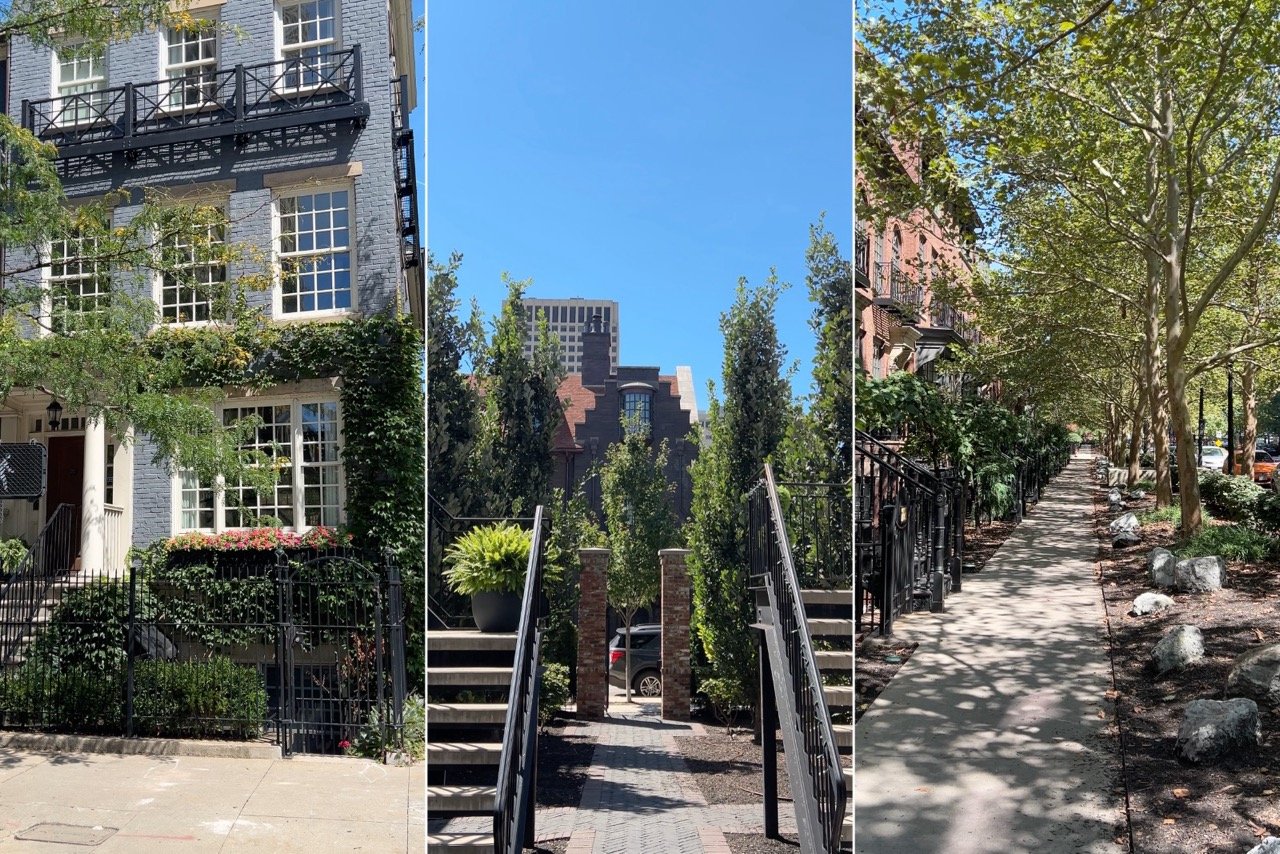
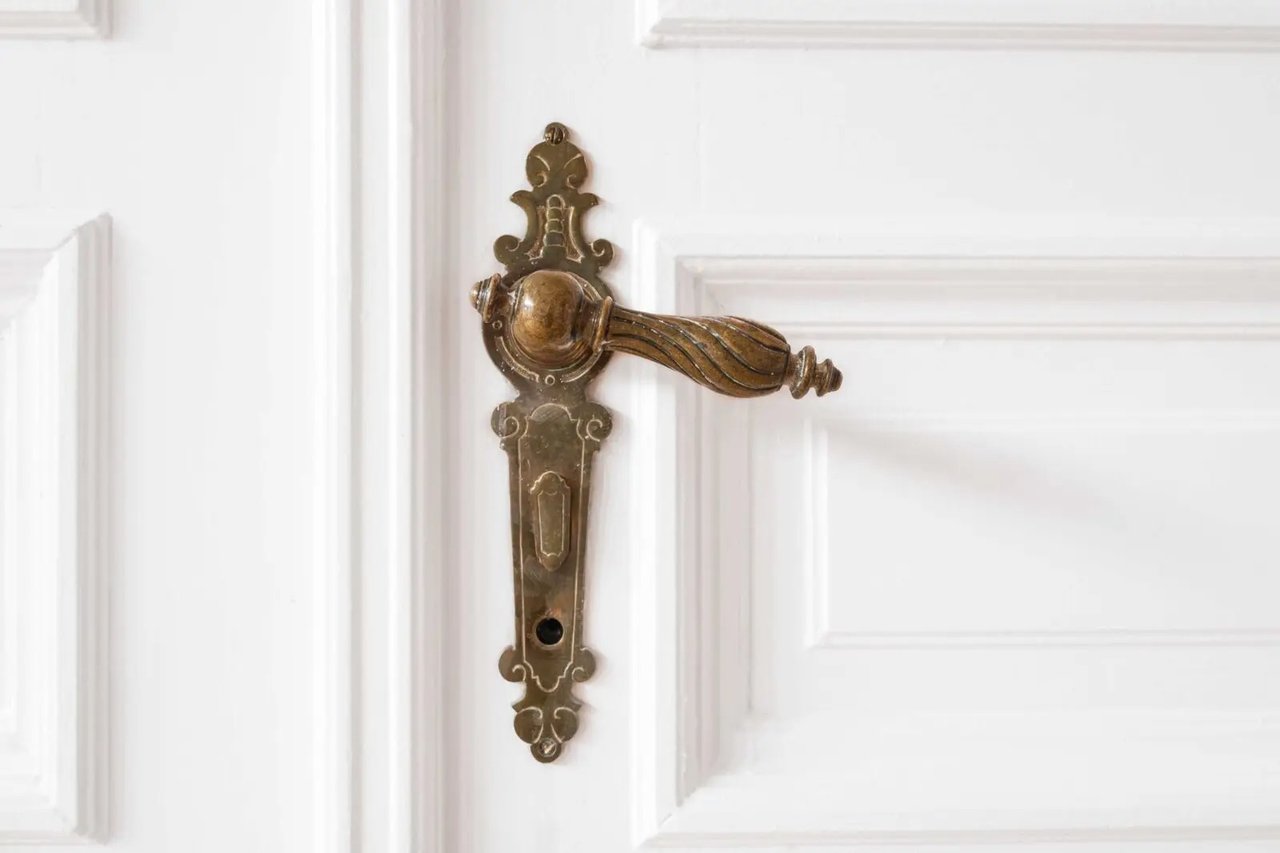
There is a certain romance to a historic home that newer construction rarely replicates. The hand-laid brick. The original millwork. The way afternoon light settles across plaster walls and hardwood floors that have carried generations before you. In Central Ohio, historic homes offer not only architectural beauty, but a connection to place and permanence that continues to resonate with today’s buyers.
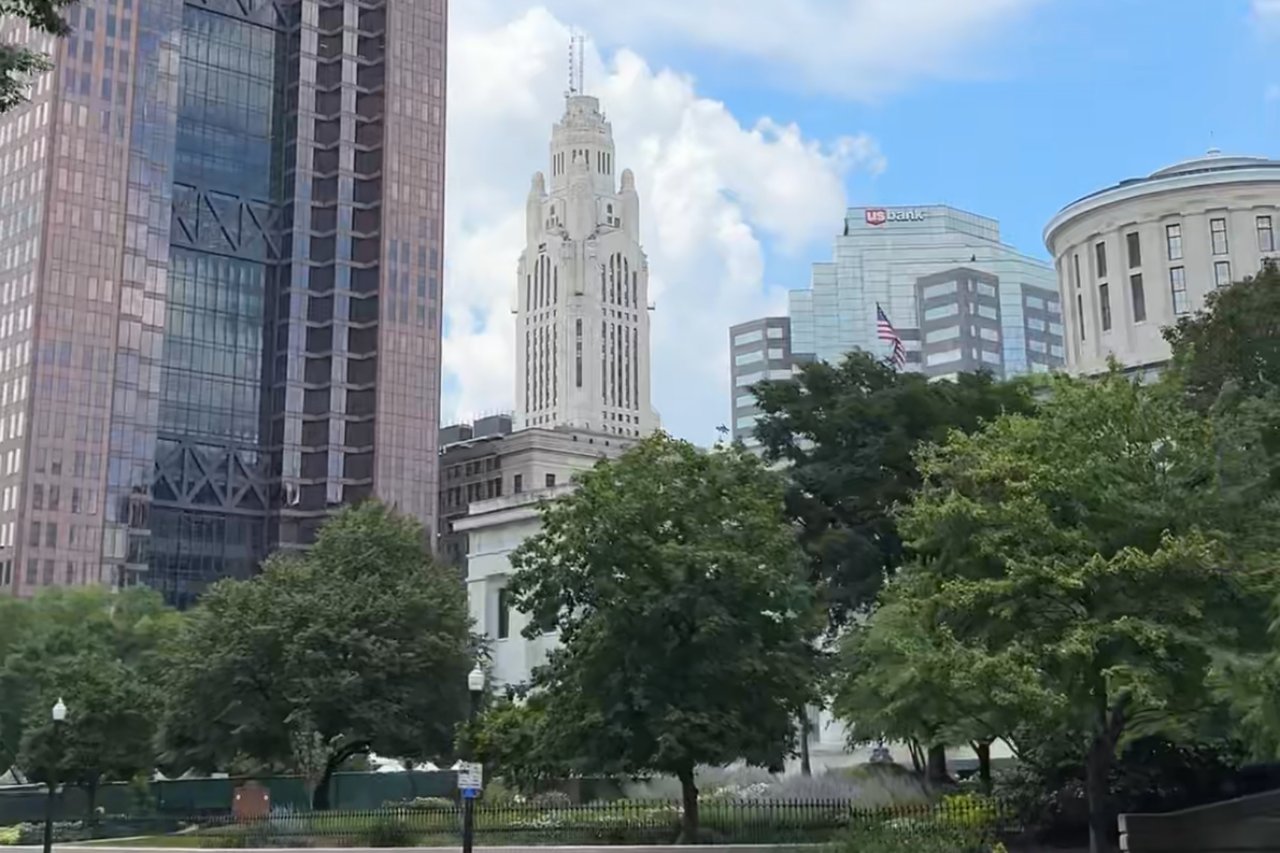
From the timeless streets of German Village to the stately homes of Bexley and the character-filled avenues of Worthington, historic properties remain among the most coveted homes in the Columbus market. Their appeal is not rooted in trends. It is rooted in craftsmanship, authenticity, and the increasingly rare feeling that a home possesses genuine individuality.
Still, purchasing a historic home requires a different level of consideration than buying a newer property. The charm is undeniable, but so is the responsibility that comes with preserving it thoughtfully.
A home may be considered historic for a variety of reasons. Some properties are individually recognized for their architectural significance or cultural importance, while others contribute to the identity of a designated historic neighborhood. In communities throughout Central Ohio, local historic districts often shape the ownership experience more than national designations do. Buyers are not simply purchasing a residence. They are becoming part of a carefully protected architectural landscape.
That preservation is often what gives these neighborhoods their enduring value. Streetscapes remain cohesive. Original details are maintained. Renovations tend to respect the surrounding character rather than erase it. In an era when many communities feel increasingly interchangeable, historic neighborhoods continue to stand apart.
Yet preserving architectural integrity also comes with limitations. Exterior changes may require approval from local review commissions, particularly in neighborhoods such as German Village or Victorian Village. Window replacements, additions, roofing materials, paint selections, and masonry work can all fall under preservation guidelines designed to protect the neighborhood’s historic identity.
For many buyers, those protections are not viewed as restrictions, but rather as part of the investment itself.
Owning a historic home also means understanding that beauty often requires stewardship. Original wood windows may need restoration rather than replacement. Plaster walls demand a different level of care than drywall. Aging masonry, slate roofs, and vintage hardwood flooring all require specialized maintenance that prioritizes preservation over convenience.
This does not mean historic homes cannot support modern living. In fact, many of Central Ohio’s most remarkable homes have been elegantly adapted for contemporary lifestyles. Updated kitchens, refined primary suites, discreet technology integrations, and modern mechanical systems can coexist beautifully with original architectural details when renovations are approached with restraint and craftsmanship.
The most successful historic renovations understand that the goal is not to erase the past. It is to honor it while making the home livable for the present.
Inspection diligence is particularly important when purchasing an older property. While many historic homes have been meticulously maintained, buyers should still evaluate structural components, electrical systems, plumbing, roofing, drainage, and foundations carefully. Renovations completed decades apart can vary significantly in quality, and understanding the full condition of the property provides essential clarity before closing.
Insurance and financing may also require additional attention, particularly if systems have not been modernized or if replacement costs exceed those of newer homes. Experienced lenders and insurance professionals familiar with historic properties can help navigate those nuances more effectively.
What continues to draw buyers toward historic homes, however, is not simply aesthetics. It is the experience of living somewhere with depth, texture, and permanence. Historic homes tend to age gracefully because they were built with materials and craftsmanship intended to last. Their appeal transcends market cycles because authenticity never truly goes out of style.
Our team of agents at Vutech | Ruff, Cutler Real Estate, understands that purchasing a historic home is rarely just a transaction. It is often an emotional and deeply personal decision shaped by architecture, lifestyle, and legacy. We bring a nuanced understanding of Central Ohio’s historic neighborhoods and the expertise required to guide buyers through the complexities that accompany these exceptional properties.
Whether you are drawn to the charm of German Village, the elegance of Bexley, or the architectural character found throughout Columbus’ most established communities, Vutech | Ruff offers the insight and representation necessary to navigate the process with confidence and discretion. Contact us to begin your journey to discover a historic home to call your own.